Luxury Home Builders in Miami
Design-build luxury home builders in Miami — $240M+ of custom residences delivered across the county's finest addresses.
Overview
Miami, Miami
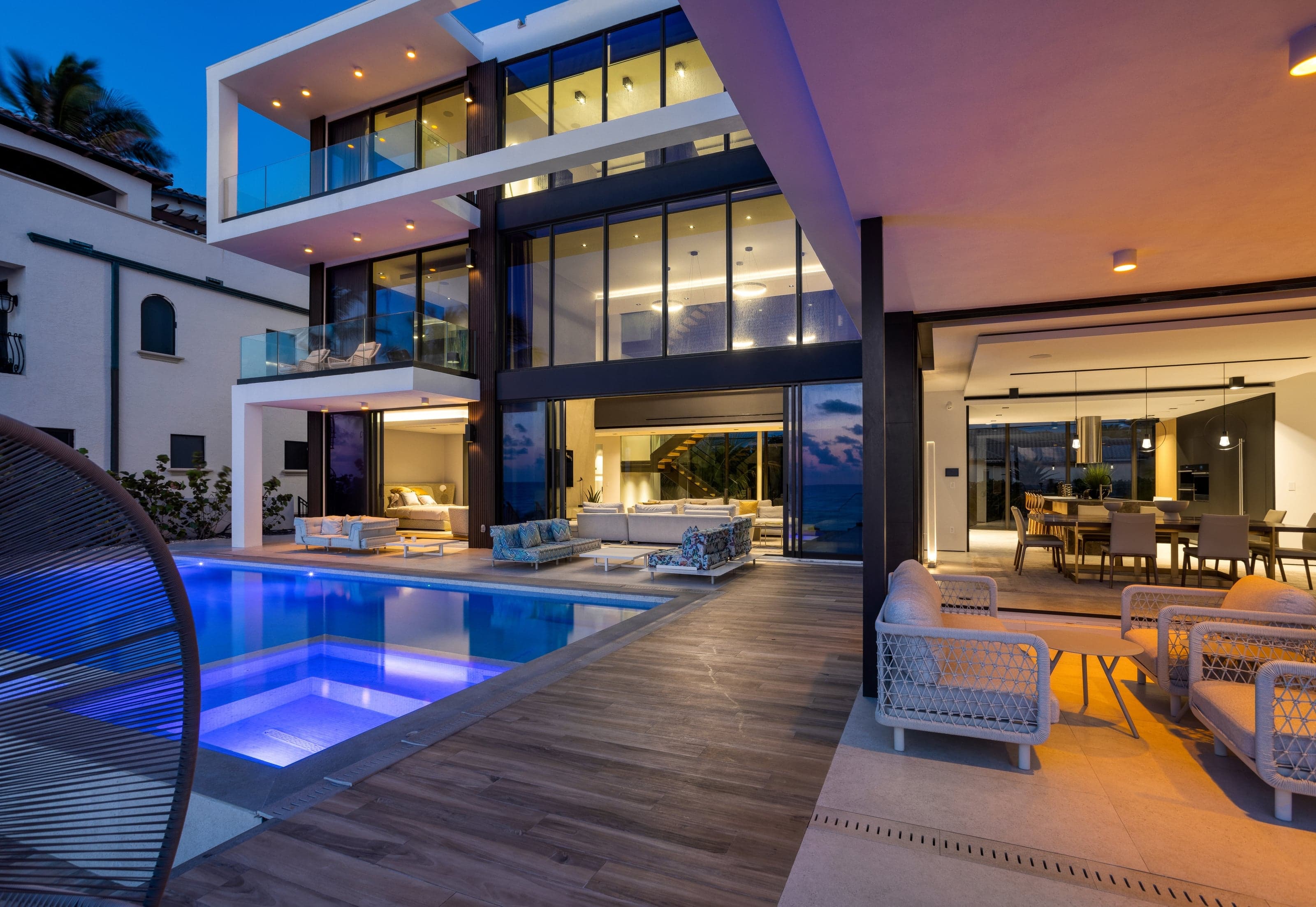
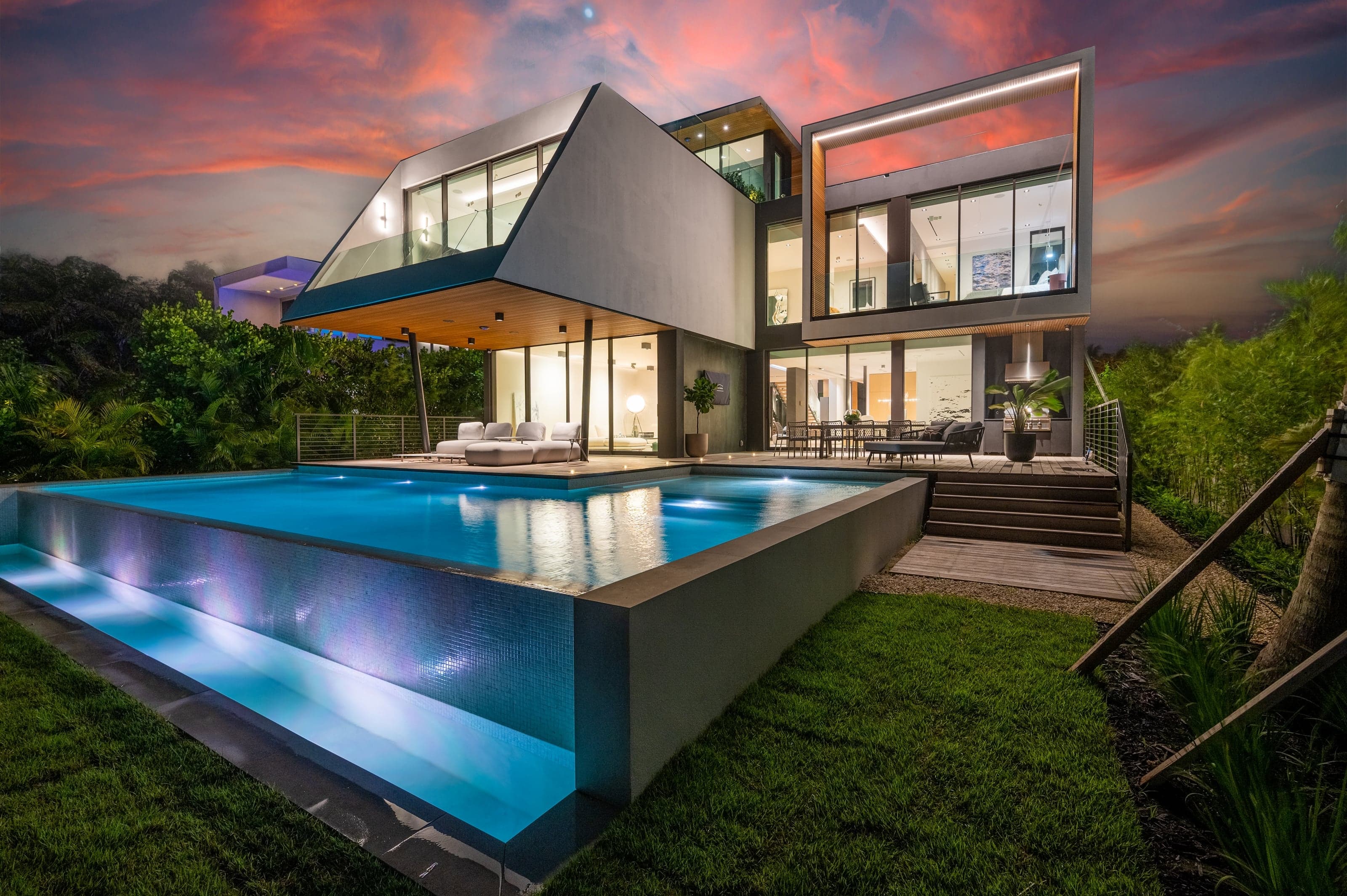
Choosing among luxury home builders in Miami comes down to one question: who has actually permitted, built, and delivered at your price point, in your jurisdiction? Sabal has completed more than 30 custom residences across Miami-Dade — from the $22.5M estate at 4040 Kiaora in Coconut Grove and the $20.6M waterfront house at 1369 N Venetian Way to 135 Palm Ave, 79 N Hibiscus and the Brickell Bay penthouse — with construction budgets from $450 to $1,800+ per square foot. No two Miami submarkets play by the same rules: the guard-gated islands off the causeways sit under City of Miami Beach design review and coastal regulation, Coral Gables answers to its century-old Board of Architects, Pinecrest to its large-lot zoning and tree ordinance, and the bayfront estates of Coconut Grove to historic and canopy protections. Building a legacy home here is less about a single 'Miami' permit than about hiring the team that already knows each rulebook.
Why Sabal in Miami
Why Sabal in Miami
Sabal is a Miami-based design-build firm, founded in 2009 and led personally by Pascal Nicolai on every mandate. We have permitted, built, and closed custom residences across the county's toughest jurisdictions — the Miami Beach island design boards, the Coral Gables Board of Architects, the Village of Pinecrest, and the waterfront coastal-construction envelope. One integrated team carries a project from feasibility and preconstruction pricing through final inspection, so the design intent survives the permitting maze instead of being value-engineered away in it — and the number you sign is the number you build to.
Portfolio
Our work in Miami


Frequently asked
Building in Miami.
- How do I choose a luxury home builder in Miami?
- Ask for three things: completed homes at your budget level in your jurisdiction (not renderings), a preconstruction estimate built from your schematic drawings with a stated accuracy band, and the name of the person who will actually run your project. Then call two of their past clients. A builder who has closed $20M+ residences on the Miami Beach islands and in Coconut Grove can show you all four in a single meeting.
- Design-build or architect-then-bid — which works better in Miami?
- For contemporary custom homes, design-build usually wins: pricing runs alongside design, so the details you fall in love with survive to construction instead of being cut on bid day. The traditional architect-then-bid route adds 6 to 12 months and typically lands 15 to 30% over the owner's expected budget. Sabal works design-build under one contract.
- What does a custom luxury home cost to build in Miami?
- Construction generally runs $450 to over $1,800 per square foot depending on the submarket and spec level — inland estate areas like Pinecrest at the lower end, guard-gated waterfront islands, prime Coral Gables and oceanfront at the upper end — excluding land, architecture, interiors, and landscape. Our per-square-foot guide breaks the bands down.
- Which Miami areas does Sabal build in?
- Across Miami-Dade's prime residential submarkets: the Miami Beach islands (Star, Hibiscus, Palm, Venetian, La Gorce, Sunset), Coral Gables, Coconut Grove, Pinecrest, Key Biscayne, Bal Harbour, Brickell, and Belle Meade, plus the broader Palm Beach and Broward markets.
- Why does the permitting process differ across Miami?
- Each municipality runs its own review. Coral Gables has a mandatory Board of Architects, Pinecrest its own building department and tree ordinance, the Miami Beach islands their design-review and historic overlays, and waterfront lots add the coastal construction control line. The right local fluency is what keeps a schedule predictable.
- How long does a Miami new-build take?
- For a well-prepared custom home, typically 18 to 30 months from permit submission, with the front-end design review and — on waterfront sites — coastal and seawall engineering driving most of the variance.